

A diesel generator provides back-up electricity if the mains electricity goes down. This is essential for many businesses, as well as facilities like hospitals and care homes, to keep them running smoothly until the power can be restored. Diesel generators are also used on sites without mains electricity – for example on campsites, festival sites or remote farm buildings.
For a diesel generator to work, it needs a reliable and safe source of fuel. This should be stored in an oil tank especially designed to work with a generator - a generator feed bunded tank, to give it its full name.
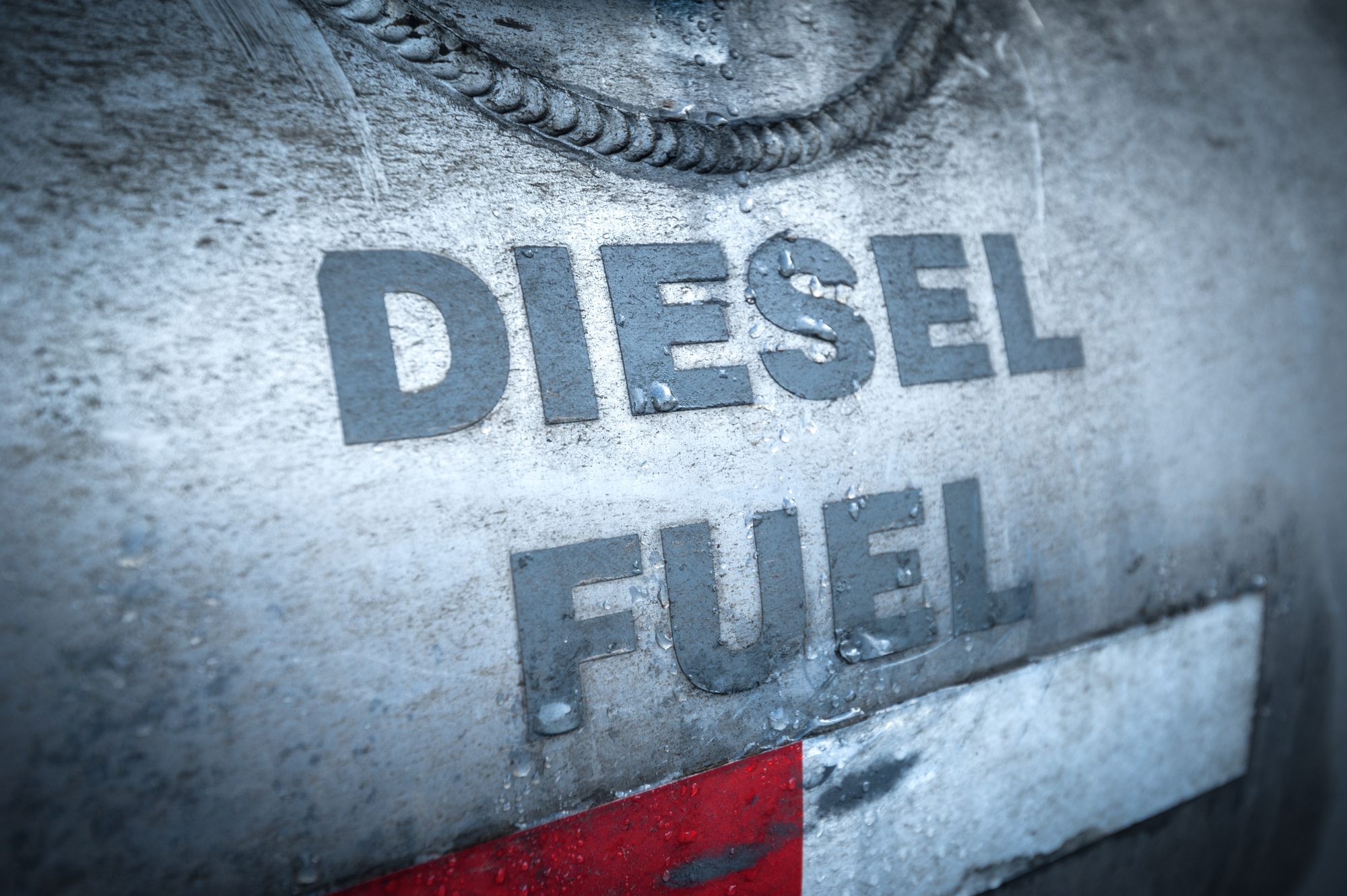
Choosing The Right Diesel Tank
There are several key factors to take into account when choosing the right diesel tank for your generator. Tanks for Everything stocks a range of steel generator feed bunded tanks in capacities ranging from 1,000 to 10,000 litres. The tanks are suitable for storing red diesel, white diesel and HVO.
Things to consider when selecting the right diesel tank for your generator are:
- Type of tank
- Tank run-time
- Size of tank
- Your budget
Type Of Diesel Tank
There are three main types of tank: above-ground storage tank, sub-base tank and underground storage tank. Whichever type of tank you choose, it should be a bunded diesel tank. A bunded tank has an inner and an outer tank (bund). The bund acts as a tank within a tank in the event of a leak, avoiding damage to the environment and a potentially expensive clean-up operation.
Above-ground storage tanks are located above the ground and usually located away form facilities. They should be protected from the weather, although steel tanks are hardwearing and those stocked by Tanks for Everything have a 10 year warranty. With proper care and maintenance, a tank can last for up to 30 years.
Sub-base tanks sit above the ground and directly below the generator. They usually have a capacity of up to 1,000 litres. If the generator is likely to need more diesel in a day, sub-base tanks can be used alongside a larger tank, with the sub-base tank receiving fuel from the larger tank.
Underground storage tanks are built in a concrete cavity below the ground. As they are protected from the elements, they typically have a longer lifespan than above-ground tanks. They are also a great space saver, but installation, monitoring and maintenance are all more challenging with an underground tank.
Tank run-time
The length of time it takes for a generator to run at full capacity is called the tank run-time. The size of tank you choose will, of course, affect the tank run-time. It is important to select a tank with a sufficiently long tank run-time to cope with your worst-case scenario before the mains power is up and running again.
The run-time is calculated by the generator fuel consumption measurement at 100% load. The 100% fuel consumption multiplied by 24 gives you a 24-hour tank.
So if your generator uses 200 litres of diesel per hour to run at 100% capacity, it would require 4,800 litres to run non-stop for 24 hours.
Most generators won’t operate at full capacity for the entire time they are running, so the fuel in the tank should generally last longer than the projected run-time.
Size of tank
Accurately calculating the size of diesel tank required can be difficult. It depends on the fuel efficiency of the machinery being used, the duration and frequency of use of your generator and how often you want to refill the tank, as well as how much space you have available for your tank.
As a minimum, you will want to choose a tank big enough to keep your generator running at 100% capacity for 24 hours (or maybe even 48 hours). But that isn’t the only consideration when deciding on the right size of tank.
Your tank should never be filled to 100%, due to the increased risk of a leak, because fuel expands. So you should only ever have your tank filled to 80%. Taking the example above, that would mean you would need a 6,000 litre capacity tank.
In addition, the tank shouldn’t be fully emptied during operations, so a 7,000 litre tank might be a better choice.
Budget
When considering the right diesel tank for your generator, you should budget not only for the cost of the tank, but also the cost of the fuel.
The price difference between a smaller tank and a larger tank isn’t as great as you might think, so spending more on a tank could actually mean saving money through the savings on fuel.
Fuel suppliers offer discounts on diesel when you buy larger quantities. Diesel prices also fluctuate. It makes sense (if you have the space for it) to buy the biggest tank you can for your budget, meaning you can buy a larger volume of diesel, especially when prices are lower, and make bigger savings.
Another hidden cost is the delivery cost of the fuel, which is in on top of the price of the diesel itself. More frequent deliveries mean more delivery costs, but a bigger tank means less deliveries and more savings.
When it comes to choosing the right diesel tank for your generator, there is no definitive right or wrong answer. By weighing up your budget and the space available with the right type of tank for your needs and the tank run-time, you will be able to make an informed decision.
And here at Tanks for Everything, we can give you the advice you need to ensure you make the right choice.